
Ibogaine PTA: Exploring Benefits Beyond Addiction Treatment
Ibogaine, traditionally used in addiction treatment, is now capturing attention for its potential benefits extending far beyond substance dependence. This article delves into the promising, yet still emerging, applications of Ibogaine PTA (purified total alkaloid) in areas such as mental wellness, trauma processing, and cognitive enhancement in the UK as of 2026. As interest grows, it’s crucial to approach this powerful substance with informed understanding and responsible consideration.
This comprehensive guide aims to provide a balanced perspective on Ibogaine PTA, exploring its mechanisms, potential benefits, and safety considerations. We will examine the nuances of using Ibogaine PTA for overall wellness, moving beyond the traditional focus on addiction treatment to uncover new possibilities and understand the science behind this fascinating compound.
Beyond Addiction: Unveiling the Multifaceted Potential of Ibogaine PTA in 2026
A Look at Emerging Research Beyond Addiction Treatment
While Ibogaine’s efficacy in addiction treatment is relatively well-documented, emerging research is exploring its broader applications. Studies are investigating its impact on neurodegenerative diseases, mental health disorders, and even its potential to enhance cognitive function. These investigations are primarily pre-clinical (animal studies) or small-scale clinical trials, and findings are preliminary. For instance, research into Ibogaine’s effects on Parkinson’s disease models has shown promising results in terms of motor function improvement, but these findings require further validation in human trials. This is key for determining actual efficacy and safety parameters in the UK population.
Why Ibogaine PTA is Gaining Attention in Wellness Circles
Ibogaine PTA is attracting attention within wellness circles due to its purported ability to induce a unique state of consciousness, often described as deeply introspective and transformative. Advocates suggest it can help individuals process emotional blockages, gain new perspectives on life challenges, and foster a greater sense of self-awareness. People are seeking it out in hopes of unlocking personal growth, spiritual insights, and a more profound understanding of their own minds. It is essential, however, to distinguish between anecdotal reports and scientifically validated evidence. Individuals should approach Ibogaine PTA with realistic expectations, and always seek guidance from qualified healthcare professionals.
Navigating the Growing Interest in Ibogaine for Holistic Health
As the interest in Ibogaine for holistic health grows, it is important to approach its use cautiously and with informed awareness. First, it is essential to check the legal status of Ibogaine in the UK, which can change. Second, be wary of unregulated sources and prioritize safety by ensuring that any Ibogaine PTA used is obtained from a reputable supplier who adheres to strict quality control standards. Third, consult with a healthcare professional before using Ibogaine PTA, especially if you have any pre-existing medical conditions or are taking any medications. The interest in alternative treatments should be balanced with a critical evaluation of the risks and benefits, coupled with professional medical advice. Remember, safe practices are the foundation of any health journey.
Understanding Ibogaine PTA: A Deep Dive for UK Users
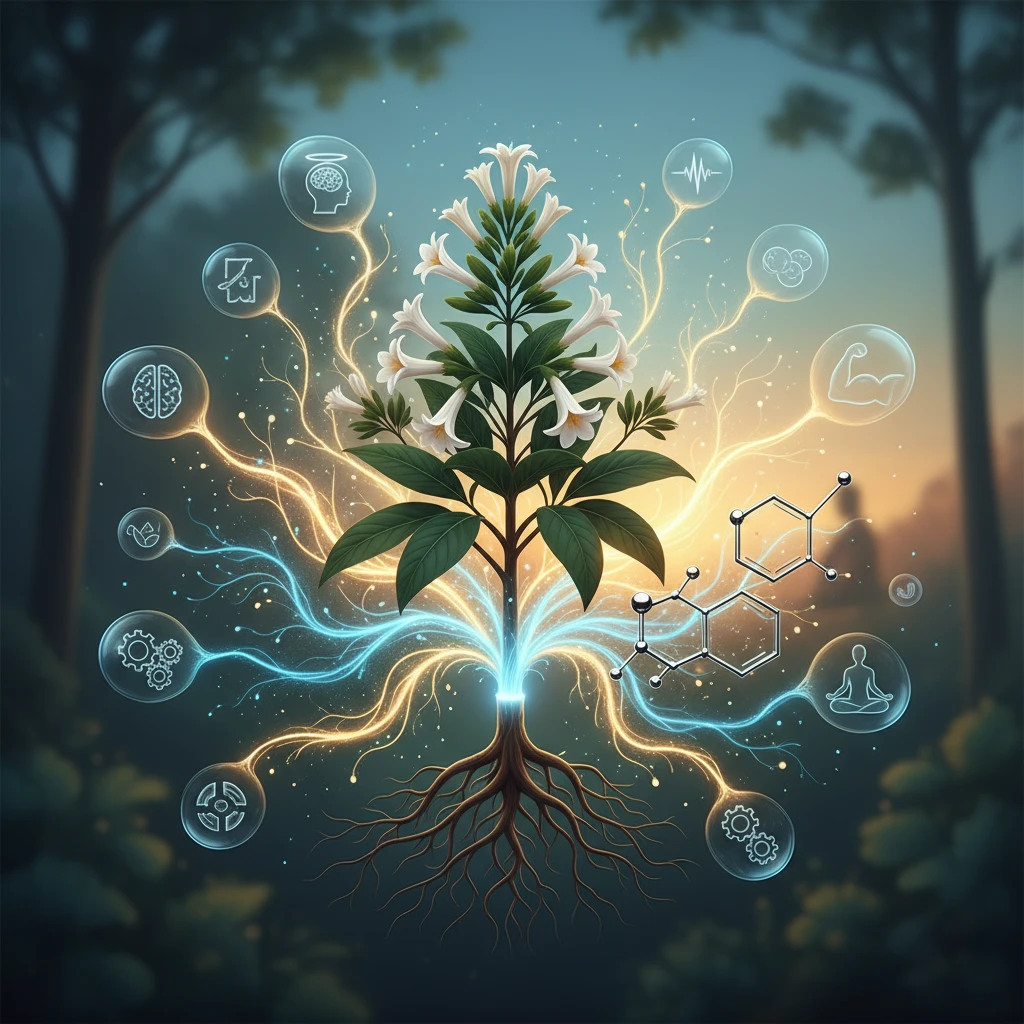
What is Ibogaine PTA and How Does It Differ from Ibogaine HCl?
Ibogaine PTA, or purified total alkaloid extract, is a form of Ibogaine derived directly from the *Tabernanthe iboga* plant. Unlike Ibogaine HCl (hydrochloride), which is a single, isolated compound, Ibogaine PTA contains a range of other alkaloids naturally present in the plant, believed by some to contribute to a more holistic therapeutic effect. The ratio of these alkaloids can vary depending on the extraction method and the source of the plant material. This variance means that the effects of Ibogaine PTA may differ slightly from those of Ibogaine HCl. The choice between Ibogaine PTA and Ibogaine HCl often depends on individual preferences and the specific therapeutic goals, however, it is important to consult with a healthcare professional knowledgeable about both forms to determine which is best suited for an individual’s needs. Some practitioners believe that the presence of these additional alkaloids might provide a more nuanced and gentler experience compared to the isolated Ibogaine HCl, a substance you can learn more about on our site.
Chemical Structure and Properties of Ibogaine PTA: Key Information
Ibogaine PTA, due to its nature as an extract, does not have a single defined chemical structure like Ibogaine HCl. Instead, it represents a blend of various indole alkaloids, with Ibogaine being the primary active component. Other alkaloids present in Ibogaine PTA may include ibogamine, ibogaline, and tabernanthine, although their concentrations are significantly lower than that of Ibogaine. The presence of these alkaloids may influence the overall pharmacological profile of Ibogaine PTA. The properties of Ibogaine PTA are largely determined by Ibogaine itself, which is known for its complex interaction with multiple neurotransmitter systems, including the opioid, serotonin, and dopamine receptors. The lipophilic nature of Ibogaine allows it to readily cross the blood-brain barrier, enabling its profound effects on the central nervous system. It is crucial to understand that the chemical composition of Ibogaine PTA can vary, impacting its effects and necessitating careful consideration of the source and quality of the product.
The Synthesis Process of Ibogaine PTA: Ensuring Quality and Purity
The synthesis of Ibogaine PTA involves a multi-step extraction process from the *Tabernanthe iboga* root bark. First, the root bark is typically ground and subjected to solvent extraction using a combination of organic solvents to dissolve the alkaloids. The resulting extract is then purified through a series of filtration and separation techniques to remove unwanted plant material and impurities. This process can vary widely, affecting the final purity and alkaloid profile of the Ibogaine PTA. Reputable suppliers adhere to strict quality control standards, employing analytical testing methods such as chromatography to verify the identity and concentration of the alkaloids present. This is crucial for ensuring the safety and efficacy of the product. Look for suppliers who provide a Certificate of Analysis (COA) from a third-party laboratory, which confirms the purity and composition of the Ibogaine PTA. Transparency in the synthesis process and rigorous quality control are essential for responsible use. Ethical sourcing and sustainability of the *Tabernanthe iboga* plant are also increasingly important considerations.
Ibogaine PTA for Mental Wellness: Exploring its Impact on Mood and Cognition
Ibogaine’s Neurotransmitter Effects: Serotonin, Dopamine, and Beyond
Ibogaine’s influence on mental wellness is largely attributed to its multifaceted effects on neurotransmitter systems within the brain. It interacts significantly with the serotonin system, influencing 5-HT2A receptors, which play a role in mood regulation and perception. Additionally, Ibogaine affects dopamine pathways, albeit in a complex manner that differs from typical stimulants. Instead of simply increasing dopamine levels, it appears to modulate dopamine release and reuptake, potentially contributing to its anti-addictive properties and its ability to reduce cravings. Furthermore, Ibogaine interacts with the sigma-2 receptor, which is thought to be involved in neuroprotection and neuroplasticity. This complex interplay of neurotransmitter effects suggests that Ibogaine’s impact on mood and cognition is not simply due to a single mechanism, but rather a synergistic interaction of multiple systems. Further research is needed to fully elucidate the specific contributions of each neurotransmitter system to Ibogaine’s therapeutic effects. You can find more information on neurotransmitters and their function in this comprehensive resource from the National Center for Biotechnology Information.
Potential for Alleviating Symptoms of Depression and Anxiety
Anecdotal reports and preliminary studies suggest that Ibogaine PTA may hold promise in alleviating symptoms of depression and anxiety. Its ability to induce introspective and transformative experiences may help individuals process underlying emotional issues contributing to these conditions. By facilitating a deeper understanding of oneself and one’s patterns of thought and behavior, Ibogaine PTA may empower individuals to make positive changes in their lives. However, it is essential to emphasize that Ibogaine PTA is not a substitute for conventional treatments for depression and anxiety. Any use of Ibogaine PTA for these conditions should be done under the guidance of a qualified healthcare professional and in conjunction with other therapeutic modalities, such as psychotherapy. The potential benefits of Ibogaine PTA must be weighed against its risks, and individuals should be carefully screened for contraindications before considering its use. Individuals might also find our page on Ibogaine for overall wellness helpful as well.
Ibogaine PTA and Cognitive Enhancement: Focus, Memory, and Clarity
While the primary focus of Ibogaine research has been on addiction treatment and mental health, there is emerging interest in its potential cognitive-enhancing effects. Some users have reported improvements in focus, memory, and mental clarity following Ibogaine PTA experiences. This may be related to its neuroplastic effects and its ability to promote the growth of new neural connections. Ibogaine’s influence on neurotransmitter systems, particularly its interaction with the sigma-2 receptor, may also contribute to its cognitive-enhancing potential. However, it is crucial to approach these claims with caution, as scientific evidence supporting the use of Ibogaine PTA for cognitive enhancement is currently limited. More research is needed to determine the specific cognitive benefits of Ibogaine PTA and to assess its safety for this purpose. It is also important to note that Ibogaine PTA is a powerful substance with potential risks, and it should not be used lightly or without proper medical supervision. The potential for cognitive enhancement should not outweigh the importance of safety and responsible use.
Easing Trauma and PTSD with Ibogaine PTA: A Promising Avenue
How Ibogaine Helps Process Traumatic Memories
Ibogaine PTA’s potential to aid in the processing of traumatic memories stems from its unique neuropharmacological profile. By influencing neurotransmitter systems like serotonin and dopamine, and through its sigma-2 receptor activity, Ibogaine appears to facilitate a state of heightened neuroplasticity. This enhanced plasticity may allow individuals to access and re-evaluate deeply ingrained traumatic memories with greater emotional detachment and clarity. The introspective nature of the Ibogaine experience can provide a safe space for individuals to confront and process difficult emotions associated with trauma, potentially leading to a resolution of unresolved conflicts and a reduction in the emotional burden of these memories. Furthermore, Ibogaine may help to disrupt the maladaptive neural pathways that contribute to the persistence of traumatic memories, paving the way for the formation of healthier and more adaptive cognitive and emotional responses.
Reducing the Impact of PTSD Symptoms: Flashbacks, Nightmares, and Anxiety
Individuals struggling with PTSD often experience debilitating symptoms such as flashbacks, nightmares, and anxiety. Ibogaine PTA may offer a potential avenue for reducing the impact of these symptoms by targeting the underlying neurobiological mechanisms involved in PTSD. By promoting neuroplasticity and facilitating the processing of traumatic memories, Ibogaine may help to desensitize individuals to trauma-related triggers, reducing the frequency and intensity of flashbacks and nightmares. Its anxiolytic effects, potentially mediated by its influence on serotonin and GABA systems, may also help to alleviate the chronic anxiety that is characteristic of PTSD. However, it is crucial to emphasize that Ibogaine PTA is not a standalone cure for PTSD. It should be used as part of a comprehensive treatment plan that includes psychotherapy, support groups, and other evidence-based interventions. The use of Ibogaine PTA for PTSD should be carefully considered and closely monitored by a qualified healthcare professional with experience in treating trauma.
Supporting Emotional Regulation and Resilience Through Ibogaine PTA
Beyond addressing the specific symptoms of PTSD, Ibogaine PTA may also contribute to the development of emotional regulation skills and resilience. By facilitating a deeper understanding of oneself and one’s patterns of thought and behavior, Ibogaine may empower individuals to develop more adaptive coping mechanisms for managing stress and adversity. The transformative nature of the Ibogaine experience can also foster a sense of hope and optimism, which are essential for building resilience. Furthermore, Ibogaine’s potential to promote neuroplasticity may allow individuals to rewire their brains, strengthening the neural pathways that support emotional regulation and resilience. However, it is important to recognize that the development of emotional regulation and resilience is a process that requires ongoing effort and support. Ibogaine PTA can serve as a catalyst for this process, but it is not a magic bullet. Long-term success requires a commitment to self-care, therapy, and supportive relationships. People interested in this may also be interested in understanding aftercare following Ibogaine treatment by using this guide.
Ibogaine PTA for Personal Growth and Self-Discovery: Enhancing Inner Awareness
Facilitating Introspection and Self-Reflection
Ibogaine PTA, beyond its well-known applications in addiction treatment, holds significant potential for fostering personal growth and self-discovery. Its unique mechanism of action allows for deep introspection and self-reflection, providing users with an opportunity to examine their thoughts, emotions, and behaviors from a new perspective. Unlike traditional therapies that can sometimes take months or years to yield profound insights, Ibogaine PTA can catalyze a rapid and intense period of self-exploration. This is largely attributed to its ability to interact with multiple neurotransmitter systems in the brain, including those involved in memory, emotion, and motivation.
The process involves carefully considering one’s life experiences, relationships, and personal values. A critical aspect is the ability to observe these elements without judgment, fostering a greater understanding of oneself. Decision criteria here involve a willingness to confront difficult truths and a commitment to integrating newfound insights into daily life. Pitfalls include resisting the process or becoming overwhelmed by the intensity of the experience. For example, some individuals may find it challenging to confront repressed memories or emotions. Actionable steps include setting clear intentions prior to the experience, journaling to document insights, and seeking guidance from a therapist or experienced facilitator.
Breaking Free From Limiting Beliefs and Patterns
One of the most transformative aspects of Ibogaine PTA is its capacity to help individuals break free from limiting beliefs and patterns that have been holding them back. These patterns, often deeply ingrained in the subconscious mind, can manifest as self-sabotaging behaviors, negative thought cycles, or unhealthy relationship dynamics. Ibogaine PTA can disrupt these patterns by allowing users to access and re-evaluate the underlying beliefs that fuel them. This process often involves revisiting past experiences and identifying the root causes of these limiting beliefs. A crucial decision criterion is the user’s readiness to actively challenge and reframe these beliefs.
For example, an individual who has struggled with feelings of inadequacy their entire life might, through Ibogaine PTA-assisted introspection, trace those feelings back to a specific childhood experience where they felt criticized or rejected. By understanding the origin of this belief, they can begin to challenge its validity and replace it with a more empowering narrative. Pitfalls include clinging to familiar patterns, even if they are detrimental, or struggling to implement new behaviors in daily life. Actionable steps involve cognitive restructuring techniques, mindfulness practices, and seeking support from a therapist or support group to reinforce new, healthier patterns of thinking and behavior. The American Psychological Association has an excellent resource to learn more about cognitive restructuring.
Promoting a Deeper Connection With Oneself and Others
Beyond individual growth, Ibogaine PTA can also foster a deeper connection with oneself and others. By facilitating introspection and emotional processing, it allows individuals to develop a greater sense of self-awareness and empathy. This, in turn, can lead to more meaningful and fulfilling relationships. The enhanced self-awareness gained through Ibogaine PTA can help individuals communicate their needs and boundaries more effectively, fostering healthier interactions. The ability to understand and empathize with others also increases, as one becomes more attuned to their own emotional landscape. One needs to decide whether the goal is improved relationships with family, friends, partners, or a greater sense of connection to humanity as a whole.
Example: Sarah, after using Ibogaine PTA, reported feeling a profound sense of connection to her family, having previously felt distant and misunderstood. She initiated open conversations with her parents and siblings, leading to improved understanding and stronger bonds. A potential pitfall is becoming overly critical of others or expecting them to change based on one’s own personal growth. Actionable steps include practicing active listening, expressing gratitude, and engaging in acts of kindness to strengthen connections with others. Seeking couples or family therapy can also be beneficial in navigating relationship dynamics.
Dosage and Administration of Ibogaine PTA: A Practical Guide for Responsible Use in the UK
Understanding the Appropriate Dosage for Different Purposes
Determining the appropriate dosage of Ibogaine PTA is crucial for both safety and efficacy. The ideal dosage can vary significantly depending on several factors, including the individual’s weight, physical health, mental state, and the specific purpose for which it is being used. For addiction treatment, higher doses are typically administered to induce a more profound psychoactive experience and facilitate detoxification. For personal growth and self-discovery, lower doses may be sufficient to promote introspection and emotional processing. Consulting with a qualified healthcare professional or experienced Ibogaine facilitator is essential to determine the most appropriate dosage for individual needs. A key criterion is the user’s honesty about their medical history, substance use, and mental health status.
Starting with a low dose and gradually increasing it (titration) under supervision is generally recommended to assess individual sensitivity and minimize the risk of adverse effects. In the UK, where Ibogaine treatment exists in a legal grey area, it’s especially critical to seek guidance from knowledgeable sources. A pitfall is self-administering without proper medical oversight, which can be dangerous. Actionable steps involve thorough research, consultation with a healthcare provider knowledgeable about Ibogaine, and adherence to recommended dosing protocols. It’s important to remember that “more” does not necessarily equate to “better” when it comes to Ibogaine PTA dosage. The goal is to find the optimal dose that provides the desired therapeutic effects with minimal risk.
Safe Administration Methods and Considerations
Safe administration of Ibogaine PTA requires careful consideration of several factors. The preferred method of administration is typically oral, either in capsule form or as a powder mixed with water or juice. The setting in which the Ibogaine PTA is administered is also crucial. It should be a safe, comfortable, and supportive environment where the individual feels secure and can focus on the experience. Continuous monitoring of vital signs, such as heart rate and blood pressure, is essential throughout the process, particularly during the peak of the experience. This is usually done with the use of monitoring equipment and should be overseen by medically trained professionals.
Consideration should be given to any pre-existing medical conditions or medications that the individual is taking, as these can potentially interact with Ibogaine PTA. It’s crucial to avoid mixing Ibogaine PTA with other substances, including alcohol and recreational drugs, as this can increase the risk of adverse effects. For instance, people with cardiac issues should avoid Ibogaine use without express approval and supervision of a medical professional. A pitfall is neglecting the importance of a safe and supportive setting or failing to disclose relevant medical information. Actionable steps involve ensuring access to emergency medical care, having a qualified facilitator present, and creating a calm and reassuring atmosphere.
Importance of Pre- and Post-Treatment Preparation and Integration
Preparation and integration are just as important as the Ibogaine PTA experience itself. Pre-treatment preparation involves setting clear intentions, addressing any underlying emotional or psychological issues, and optimizing physical health through diet and lifestyle changes. This may include engaging in therapy, practicing mindfulness, and adopting a healthy eating plan. Post-treatment integration is the process of incorporating the insights and experiences gained during the Ibogaine PTA session into daily life. This may involve continuing therapy, making lifestyle changes, and building a strong support network.
For instance, an individual who has identified a pattern of codependency during their Ibogaine experience may benefit from ongoing therapy to develop healthier boundaries and relationship skills. Neglecting pre-treatment preparation can lead to a less productive or even overwhelming experience, while failing to integrate the insights gained can result in a relapse into old patterns. Actionable steps involve journaling, mindfulness exercises, and continued therapy. For example, spending at least 30 minutes a day journaling after treatment and seeking out a support group, can help solidify the changes that the user is seeking. The aftercare process is pivotal. To learn more about mindfulness practices, visit Mindful.org.
Safety and Precautions: Minimizing Risks Associated with Ibogaine PTA
Medical Screening and Contraindications: Who Should Avoid Ibogaine?
Ibogaine PTA is not suitable for everyone. A thorough medical screening is essential to identify any potential contraindications. Individuals with pre-existing heart conditions, liver or kidney disease, or severe mental health disorders should generally avoid Ibogaine PTA. Additionally, those who are taking certain medications, such as antidepressants or antipsychotics, may need to discontinue them under medical supervision before undergoing Ibogaine treatment. The decision criteria for medical suitability should be based on a comprehensive evaluation of the individual’s overall health status and risk factors. A qualified healthcare professional should conduct this evaluation. Ignoring these contraindications can lead to serious adverse effects, including cardiac arrest and seizures. [This statement has not been evaluated by the MHRA].
For example, someone with a history of long QT syndrome should never use Ibogaine. A pitfall is failing to disclose relevant medical information to the healthcare provider. Actionable steps involve undergoing a thorough medical examination, including an electrocardiogram (ECG) to assess heart function, and being completely honest about one’s medical history. It’s crucial to prioritize safety and err on the side of caution when considering Ibogaine PTA, especially in the UK context where access to fully regulated treatment facilities can be limited. Prioritizing patient safety via complete disclosure and proper medical screenings is a must for ethical, legal and patient centered care. For more information on safe administration, consider reading about Ibogaine HCL and safe treatment options.
Potential Side Effects and How to Manage Them
Ibogaine PTA can cause a range of side effects, some of which can be uncomfortable or even dangerous. Common side effects include nausea, vomiting, dizziness, ataxia (loss of coordination), and anxiety. More serious side effects, although rare, can include cardiac arrhythmias, seizures, and respiratory depression. The severity and duration of these side effects can vary depending on the individual’s sensitivity, the dosage administered, and other factors. Careful monitoring and supportive care are essential to manage potential side effects effectively. Staying hydrated, managing body temperature, and providing emotional support are key interventions. [This statement has not been evaluated by the MHRA].
For example, individuals experiencing nausea may benefit from anti-emetic medications or ginger tea. In cases of anxiety, reassurance and grounding techniques can be helpful. A pitfall is minimizing or ignoring side effects, which can lead to more serious complications. Actionable steps involve closely monitoring vital signs, providing prompt medical attention for any concerning symptoms, and ensuring that a qualified healthcare professional is readily available to address any emergencies. If you want to buy Ibogaine powder, source it from reputable and verified sources to mitigate adverse effects. You can find more information about managing nausea and vomiting at NHS.uk.
The Role of a Qualified Facilitator in Ensuring a Safe Experience
A qualified facilitator plays a crucial role in ensuring a safe and supportive Ibogaine PTA experience. The facilitator’s responsibilities include conducting a thorough pre-treatment assessment, monitoring the individual throughout the process, providing emotional support, and facilitating integration after the experience. A qualified facilitator should have extensive experience working with Ibogaine PTA, a strong understanding of its potential risks and benefits, and appropriate medical training. The facilitator should also be able to create a safe and trusting environment where the individual feels comfortable exploring their thoughts and emotions. Choosing a facilitator is based on experience, certifications, and reputation. Asking for references and checking credentials is vital.
For instance, a good facilitator will have connections to medical facilities and can perform proper pre-screening with medical staff, such as ECG to check the heart. A pitfall is working with an unqualified or inexperienced facilitator, which can increase the risk of adverse events. Actionable steps involve carefully vetting potential facilitators, checking their credentials and references, and ensuring that they have a clear understanding of the individual’s needs and goals. Ultimately, the facilitator should enable a safe experience, minimizing risks, and facilitating integration.
Sourcing High-Quality Ibogaine PTA in the UK: What to Look For
Importance of Third-Party Testing and Certification
When sourcing Ibogaine PTA in the UK, it is paramount to prioritize quality and safety. One of the most effective ways to ensure that you are receiving a genuine and safe product is to look for third-party testing and certification. Third-party testing involves an independent laboratory analyzing a sample of the Ibogaine PTA to verify its purity, potency, and absence of contaminants. Certification from a reputable organization provides further assurance that the product meets certain quality standards. These tests should be readily available to view. Transparency is a key indicator of a trustworthy supplier.
For example, a reputable supplier will provide a Certificate of Analysis (COA) from a third-party lab, detailing the results of the testing. A supplier should provide information on testing methodology. Pitfalls include trusting suppliers who lack this transparency, which puts customers at risk. Actionable steps involve carefully reviewing any available test results and certifications before making a purchase and contacting the lab if you wish to verify the COA. Choose suppliers that prioritize quality control. The higher price is often justified by quality assurance, which can significantly mitigate health risks.
Understanding the Legal Landscape of Ibogaine in the UK (as of 2026)
As of 2026, the legal status of Ibogaine in the UK remains complex. Ibogaine itself is not explicitly illegal, but its use is not regulated or approved for medical treatment. This means that there are no licensed Ibogaine treatment centers in the UK, and healthcare professionals may be hesitant to prescribe or administer it. However, the import and possession of Ibogaine PTA for personal use may be permissible under certain circumstances, provided that it is not intended for supply or sale. Due to this legal ambiguity, individuals seeking Ibogaine PTA in the UK must exercise caution and seek legal advice if they are unsure about the applicable laws. The key decision involves determining if the benefits outweigh the legal and regulatory risks. This needs to be done on a case by case basis.
For instance, individuals may choose to import Ibogaine PTA for personal use after consulting with a solicitor to understand the legal implications. Potential risks involve facing legal repercussions if the import or possession is deemed unlawful. Actionable steps include consulting a lawyer familiar with UK drug laws and ensuring that all import requirements are met. The legal landscape changes frequently, so one should stay informed to avoid any potential issues. The legality of Ibogaine powder is similar in that it is not explicitly illegal, but regulations are in place to prevent its sale or distribution for human consumption. You can find further information and resources from the Medicines and Healthcare products Regulatory Agency (MHRA).
Why Choose BuyIboga.co.uk for Your Ibogaine PTA Needs
BuyIboga.co.uk is committed to providing high-quality, sustainably sourced Ibogaine PTA to individuals in the UK. We prioritize safety, transparency, and customer satisfaction. All of our products are rigorously tested by third-party laboratories to ensure their purity, potency, and absence of contaminants. We provide detailed Certificates of Analysis (COAs) for all of our products, allowing you to verify their quality for yourself. Furthermore, we are committed to operating within the legal framework of the UK and providing our customers with accurate and up-to-date information about the legal status of Ibogaine PTA. [This statement has not been evaluated by the MHRA]. We offer discreet and secure shipping to ensure your privacy and peace of mind.
Our commitment extends beyond simply providing high-quality products. We are dedicated to educating our customers about the responsible use of Ibogaine PTA and providing them with access to resources and support to help them achieve their desired outcomes. Our team consists of knowledgeable professionals who are passionate about the potential benefits of Ibogaine PTA for personal growth and wellness. Actionable steps include contacting our customer support team for information. We ensure secure transactions and a dedication to customer privacy to give customers confidence in our services. Our dedication to sourcing ethically and transparently, combined with our focus on customer safety and education, makes us a trusted source for Ibogaine PTA in the UK.
Ibogaine PTA vs. Iboga TA: Key Differences and Which to Choose
Comparing the Chemical Composition and Effects
Understanding the difference between Ibogaine PTA (Purified Total Alkaloids) and Iboga TA (Total Alkaloids) is crucial for making informed decisions about which form to use. Iboga TA contains all the alkaloids naturally found in the *Tabernanthe iboga* root bark, including ibogaine, ibogaline, noribogaine, and other minor alkaloids. This “entourage effect,” as some believe, can modulate the effects of ibogaine. Ibogaine PTA, on the other hand, is a more refined extract, typically containing a higher concentration of ibogaine. The effects of Ibogaine PTA are often described as more direct and intense, with a faster onset compared to Iboga TA. However, some users report that the effects of Iboga TA are more grounded and holistic due to the presence of other alkaloids.
When is Ibogaine PTA a Better Choice Than Iboga TA?
The choice between Ibogaine PTA and Iboga TA depends on individual needs and preferences. Ibogaine PTA might be preferred for those seeking a more precise and potent ibogaine experience, especially when the dosage needs to be carefully controlled. For example, someone undergoing a medically supervised detox may benefit from the predictability of Ibogaine PTA. Consider these factors when deciding: desired intensity of experience, sensitivity to other alkaloids, and the level of medical supervision available. Furthermore, the cost can be a deciding factor; Ibogaine PTA is often more expensive due to the additional processing involved. Before making a decision, consult with a knowledgeable healthcare professional to discuss the potential benefits and risks associated with each form.
Understanding the Entourage Effect: Is Full-Spectrum Iboga Superior?
The “entourage effect” suggests that the various alkaloids present in Iboga TA work synergistically to enhance the overall therapeutic effects. Proponents of Iboga TA argue that the presence of ibogaline, noribogaine, and other alkaloids can modulate the ibogaine experience, making it more balanced and less overwhelming. Some studies suggest that these minor alkaloids may have their own therapeutic properties, contributing to the overall efficacy of the treatment. However, there is limited scientific evidence to definitively prove the superiority of Iboga TA over Ibogaine PTA. Ultimately, the best choice depends on individual biochemistry and response to the different alkaloids present in each form. For further research, exploring studies on the effects of individual iboga alkaloids beyond ibogaine might offer additional insights [External Resource: consider adding a link to a relevant research paper on iboga alkaloids here].
Real-Life Experiences: Testimonials of Ibogaine PTA Use Beyond Addiction
Personal Stories of Mental Wellness Enhancement
While Ibogaine is widely recognized for its potential in addiction treatment, anecdotal evidence suggests it may also offer benefits for mental wellness. Many individuals have reported using Ibogaine PTA to address issues such as depression, anxiety, and emotional imbalances. These experiences often involve a profound sense of clarity and emotional release, allowing individuals to gain new perspectives on their lives and relationships. For example, one person shared: “After my Ibogaine PTA experience, I felt a weight lifted off my shoulders. I was able to confront past traumas and move forward with a renewed sense of hope.” It’s crucial to approach these stories with caution and understand that individual results may vary.
Overcoming Trauma and PTSD Through Ibogaine PTA
Trauma and PTSD can have a debilitating impact on an individual’s life, making it difficult to function normally and maintain healthy relationships. Some individuals have explored the use of Ibogaine PTA as a complementary approach to traditional therapy for addressing these conditions. The experience is often described as a journey through suppressed memories and emotions, allowing for a deeper understanding and resolution of past traumas. Example: “Sarah,” a veteran suffering from severe PTSD, reported a significant reduction in her symptoms after undergoing Ibogaine PTA treatment combined with intensive therapy. She stated, “Ibogaine PTA helped me process the trauma I had been avoiding for years, allowing me to finally heal.” As with all treatments, it’s essential to consult with a qualified healthcare professional to determine the suitability and safety of Ibogaine PTA for trauma and PTSD.
Experiences of Personal Growth and Self-Discovery
Beyond addressing specific mental health conditions, some individuals have reported using Ibogaine PTA for personal growth and self-discovery. These experiences often involve a profound sense of interconnectedness and a deeper understanding of one’s purpose in life. Example: “Mark,” a business executive feeling lost and disconnected, used Ibogaine PTA and reported a renewed sense of purpose and direction. He said, “The experience helped me reconnect with my values and priorities, leading to a more fulfilling and meaningful life.” These types of experiences can vary greatly depending on the individual’s mindset, preparation, and support system. Remember to consult with a professional and ensure proper integration support afterwards. You can learn more about creating a safe and supported journey with ibogaine on our page about ibogaine for wellness in the UK.
The Future of Ibogaine PTA in Holistic Wellness: What’s on the Horizon?
Emerging Research and Clinical Trials
Research into the potential therapeutic applications of Ibogaine PTA is ongoing, with a growing number of studies exploring its efficacy in treating various conditions. While much of the research focuses on addiction treatment, there is also increasing interest in its potential for mental health and neurological disorders. Emerging research suggests that ibogaine may have neuroprotective and anti-inflammatory properties, which could have implications for treating conditions such as Alzheimer’s disease and Parkinson’s disease. Clinical trials are crucial for establishing the safety and efficacy of Ibogaine PTA, and further research is needed to fully understand its potential benefits and risks. Keep an eye on reputable sources like the Multidisciplinary Association for Psychedelic Studies (MAPS) for updates on ongoing research [External Resource: consider linking to the MAPS website or a relevant study on Ibogaine here]. For more information on clinical trials, visit the NHS website.
The Growing Acceptance of Ibogaine in Alternative Therapies
Despite its legal status in many countries, there is a growing acceptance of ibogaine as a legitimate alternative therapy for certain conditions. This acceptance is driven by a combination of anecdotal evidence, emerging research, and increasing dissatisfaction with conventional treatments. Many individuals are seeking more holistic and personalized approaches to healthcare, and ibogaine offers a unique perspective by addressing the root causes of addiction and mental health issues. However, it is crucial to approach ibogaine treatment with caution and to ensure that it is administered in a safe and supportive environment by qualified professionals. As awareness grows, it’s vital that practices are safe and ethically sound.
BuyIboga.co.uk’s Commitment to Providing Safe and Sustainable Ibogaine Products
At BuyIboga.co.uk, we are committed to providing our customers with the highest quality, ethically sourced iboga and ibogaine products. We understand the importance of safety and sustainability, and we take great care to ensure that our products are produced in a responsible manner. Our iboga is sourced from sustainable farms in Gabon, and


About author

Add comment