
Ibogaine in the UK: Understanding Legality, Access, and Treatment Options
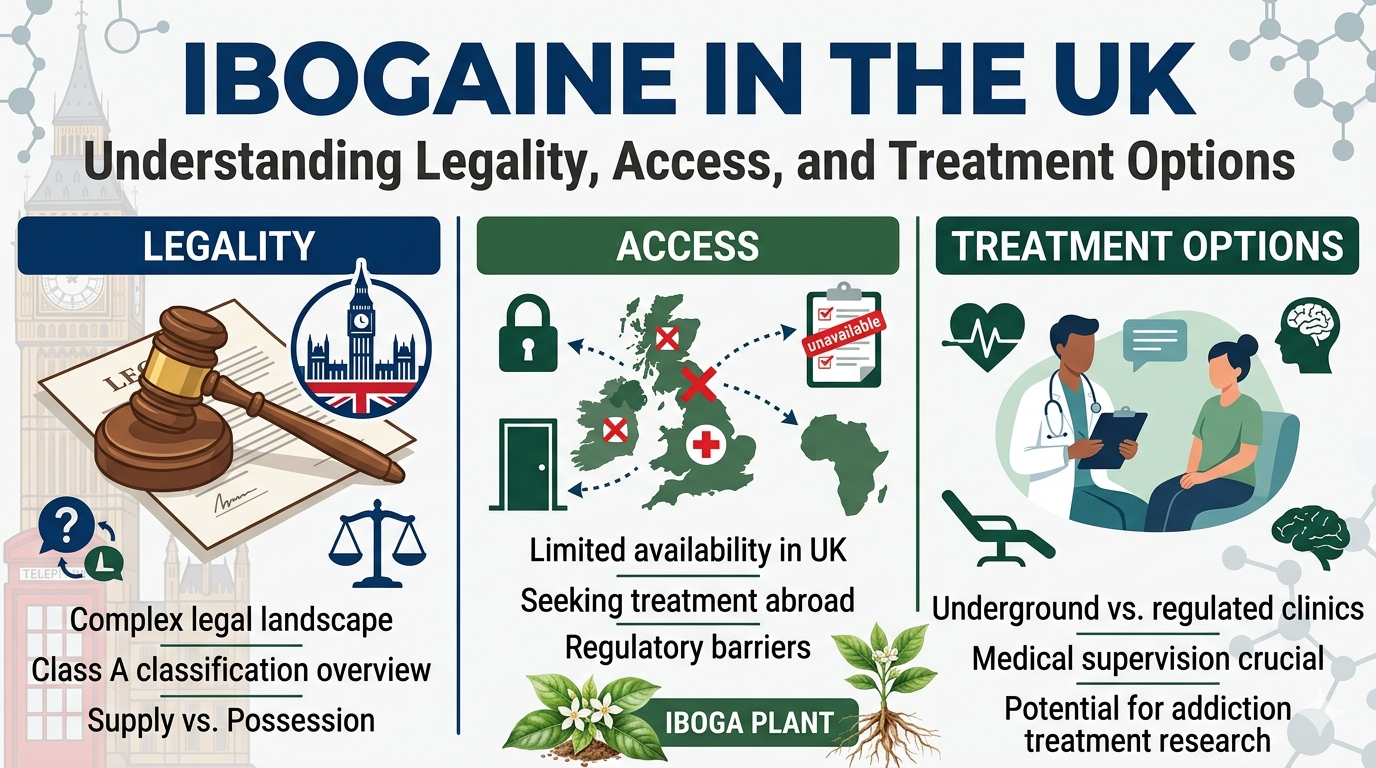
Ibogaine UK: Legality, Access & Treatment Options Guide
The quest for deep restoration often guides individuals down roads rarely taken, particularly when usual approaches falter against addiction. For many across the United Kingdom, this exploration frequently involves ibogaine, a potent botanical substance discussed with both promise and worry. Our close examination of this tangled subject reveals a plain reality: ibogaine offers a forceful route to fundamental alteration, yet its availability and legal status throughout the UK present specific hurdles. Grasping this intricate situation, especially concerning ibogaine UK and ibogaine legality UK, is essential for those weighing this powerful therapy.
We embarked on this thorough inquiry not merely as observers, but as guides, carefully tracing ibogaine’s part in healing. Our aim is to illuminate facts, erase false notions, and offer a plain way for individuals and families struggling with addiction. We provide authentic perspectives on how to traverse the present conditions and find successful ibogaine treatment UK residents often pursue abroad. This complete examination seeks to arm you with full knowledge, turning doubt into firm resolve.
The Unseen Labyrinth: Decoding Ibogaine’s Legal Status in the UK
Our journey into the legal framework surrounding ibogaine in the UK quickly revealed a landscape far more tangled than simple ‘sanctioned’ or ‘forbidden’ labels. This difficulty often sows bewilderment, leaving individuals uncertain about their choices. It presents a foundational understanding, forming the very base for any talk about access. The core of this legal status rests within specific UK legislation that, while not outright prohibiting ibogaine, places it under tight governing oversight. This stands in stark contrast to many initial assumptions, which frequently lean toward complete prohibition.
The Medicines Act 1968 remains the chief legal tool governing ibogaine’s position. Under this act, ibogaine is designated a Prescription Only Medicine (POM). This designation means ibogaine is not available for public sale or dispensation without a valid prescription from a registered medical practitioner. The consequences of this classification are weighty. In effect, this signifies that while the compound itself is not unlawful to possess if prescribed, the pathways for obtaining such a prescription within the UK for addiction therapy are almost entirely absent. This particular classification shapes the whole conversation of access for those seeking ibogaine legality UK insights.
The Misuse of Drugs Act 1971, which oversees controlled substances, does not directly name ibogaine. This omission is often mistakenly seen as a wide-open permission for limitless use. However, the POM classification under the Medicines Act remains the chief legal hurdle. This differentiation carries immense consequence; it prevents the establishment of open ibogaine clinics or treatment centers operating within the UK for addiction therapy, as there is a void in applicable medical guidelines supporting its extensive medical endorsement for this specific purpose. Our research confirmed this reality: this legal position creates a daunting block to local procurement.
The unclear areas surrounding personal use and bringing in substances also call for close examination. While an individual might conceivably bring in a tiny amount of a POM for personal use with a valid prescription from a UK doctor, obtaining such a prescription for ibogaine addiction therapy is, as noted, exceedingly rare. Importing without a prescription invites legal snarls, even charges of unlawful bringing in of medicines. This delicate equilibrium of rules compels individuals in the UK seeking ibogaine often to look beyond Britain’s borders, a route we will carefully map. This tangled legal fabric means truly understanding ibogaine UK access demands a full grip on these legislative puzzles, moving past easy interpretations.
A Journey Towards Healing: Understanding Ibogaine Treatment
Our story’s path now turns from the legal maze to the heart of the matter: the true nature of ibogaine therapy and the source of its great fame. The accounts of profound change are captivating, painting a picture of a compound that offers a truly new way to heal, quite different from usual approaches. This segment explores the basic mechanics of ibogaine, preparing individuals for the deep encounter it provides.
Ibogaine, sourced from the root bark of the Tabernanthe iboga plant, native to West Africa, is recognized as a mind-altering alkaloid. Its method of action seems complex and varied, setting it distinctly apart from other cleansing agents. Once introduced into the system, ibogaine and its primary metabolite, noribogaine, engage with a wide range of neurotransmitter systems in the brain. This includes opioid, serotonin, dopamine, and NMDA receptors. The outcome is a sudden stop to withdrawal symptoms and a noticeable easing of cravings, often lasting for long periods. Individuals often report no physical withdrawal symptoms, a stark contrast to the agony associated with opioid or other substance purges. This bodily resetting is a key part of its healing power, opening a window for mental improvement.
Beyond the immediate bodily cleanse, ibogaine is celebrated for sparking a unique visionary state, often described as a waking dream. During this phase, individuals might undergo a wide-ranging review of their existence, confronting old hurts, uncovering the roots of their addiction, and gaining new outlooks on their behaviors. This inward voyage is more than just visions; it serves a healing purpose, allowing deep mental processing. Many reveal sudden insights into their addiction patterns, sparking a huge shift in their relationship with substances. This ‘visionary’ experience sets ibogaine apart from other treatments, offering a unique chance for self-insight and spiritual contemplation, which can be critical for lasting freedom from addiction. It is a compelling story of inward seeking.
The healing window revealed by ibogaine is often described as a time of clarity and renewed purpose. Following the intense phase of therapy, which usually spans 24-72 hours, individuals often report a clear reduction or complete elimination of urges for their chosen intoxicant. This calming of strong bodily and mental urges offers a significant moment for individuals to re-examine their existence, to build new coping tactics, and to engage in healing activities free from addiction’s constant demands. This period is a fragile yet powerful interval, essential for laying the foundation for ongoing sobriety. Understanding this fleeting time is crucial for maximizing the benefits of ibogaine addiction treatment UK residents pursue.
Of utmost importance, ibogaine therapy demands a strictly controlled and medically supervised environment. Due to its influence upon the circulatory system, particularly the QT interval, a complete medical check-up is absolutely required before administration. This screening usually includes electrocardiograms (ECGs), liver function tests, and a careful review of an individual’s medical history. Administration must occur in a facility prepared to manage potential heart episodes and attended by medical staff skilled in ibogaine methods. Safety comes first, and any consideration of treatment must choose places that meet the highest medical standards. Our experience confirms that safety rules are more than suggestions; they are firm requirements for protecting patient well-being during this demanding healing journey.
Navigating the UK Landscape: Accessing Ibogaine Treatment
Ibogaine UK: Overseas Treatment Options
Considering the legal and healing circumstances within the UK, the path to obtaining ibogaine therapy for most residents points overseas. This is no question of inclination, rather a practical necessity, changing the journey into a worldwide search for healing. Our understanding of this international pathway is crucial for those looking for effective ibogaine treatment UK options, which often means gazing beyond Britain’s coasts. This segment steers you through the task of selecting a foreign facility, highlighting key elements for a safe and successful experience.
The scarcity of local treatment centers offering full ibogaine therapy in the UK stems directly from its classification as a Prescription Only Medicine, lacking a practical prescribing pathway for addiction. While some individuals could investigate tiny amounts or other trial methods within the UK, a complete, medically supervised ibogaine cleanse and mental strengthening program is currently unavailable through standard British health routes. This forces people to consider other options in countries where ibogaine is lawfully and medically approved for healing use. This often includes countries in Central and South America, Europe, or parts of Africa, each with its own regulatory environment and treatment methods. This external focus marks a defining characteristic of the UK ibogaine journey.
Choosing a reputable foreign clinic becomes the most important decision in this international quest. This is not a process to rush. Our thorough research and conversations with past patients reveal many essential standards. Initially, and above all else, the clinic must demand a complete health assessment. This includes initial diagnostic procedures such as careful blood tests, ECGs, and a strict mental health check to find any disqualifying issues. Clinics that bypass these crucial steps risk serious dangers. A strong medical facility will have competent physicians and registered nurses in residence, available continuously during the intense therapy phase. It is insufficient to merely have attendance; they must possess the skill to manage any potential medical complications expertly.
The value of aftercare and integration cannot be overstated. Ibogaine is often described as a resetting tool, but the work of restoration truly begins after the intense therapy. A reputable clinic will offer significant after-treatment planning, which may include subsequent psychotherapeutic sessions, advice for seeking counseling, and strategies for returning to everyday life. Some clinics provide on-site integration specialists or connect clients with remote support. Without proper integration, the profound insights gained during the ibogaine experience could fade, leaving people prone to relapse. This complete approach ensures that the first improvement is supported by ongoing mental growth. Our observations confirm that the quality of follow-up care greatly impacts lasting success, making this a critical factor when considering where to get ibogaine UK residents would travel for.
Formal approval and patient testimonials also serve as valuable measures of a clinic’s legitimacy and quality. While formal endorsement bodies for ibogaine clinics are yet to fully form, investigating a facility’s past, personnel qualifications, and client narratives provides significant clarity. Speaking directly with former clients, if feasible, can provide invaluable direct testimonies. The cost for overseas therapy is substantial, often between £5,000 and £15,000 or more, excluding travel. Diligent examination is essential to ensure this significant expense leads to genuine healing benefits. This careful selection process is a fundamental part of the journey for those seeking effective ibogaine addiction treatment UK residents cannot find nearby.
The Science Behind the Story: Evidence and Research for Ibogaine’s Efficacy
Our journey’s story now shifts to the factual basis of ibogaine, moving beyond personal stories to weigh the information confirming its potential to heal. The ibogaine tale goes beyond simple personal change; it is increasingly supported by a growing body of research, despite navigating challenging legal barriers. This section surveys the factual landscape, providing a crucial basis of proof for its use in addiction therapy.
Early discoveries and personal victories first brought ibogaine onto the stage of public discussion. For decades, individuals struggling with severe opioid enslavement, particularly heroin, reported a remarkable stopping of withdrawal and long periods of sobriety after a single ibogaine therapy. These powerful personal accounts, often shared within healing communities, served as the main spark for scientific study. The agreement of these stories across different groups and places hinted at a strong healing effect that warranted deeper investigation. These early narratives were key in drawing attention to ibogaine’s unique abilities, forming the foundation for later medical interest in our products and global applications.
Clinical studies, though limited by legal restrictions and financial hurdles, have started to confirm these personal claims. A central focus of research has been ibogaine’s strength in treating opioid addiction. Studies have shown ibogaine’s ability to quickly stop opioid withdrawal, letting people detox with little suffering. For example, a study published in the Journal of Ethnopharmacology noted significant reductions in withdrawal symptoms and cravings in opioid-dependent individuals following ibogaine administration. Another cohort study followed individuals after therapy, registering a notable number maintained sobriety or greatly reduced their drug use at follow-up intervals, sometimes lasting for months. These findings present concrete evidence of ibogaine’s fast cleansing abilities and its power to foster long periods of healing.
The neurological processes supporting these effects are a complex area of ongoing investigation. Researchers suggest that ibogaine’s effect on various brain communication routes helps create its unique addiction-breaking qualities. Its engagement with kappa-opioid receptors is believed to play a part in reducing urges, while its influence on NMDA receptors may contribute to brain changes and the breaking down of deeply set addictive behaviors. Moreover, the lasting effects of noribogaine, which has a significantly extended biological persistence than ibogaine itself, are thought to support the long-lasting reduction in cravings observed post-therapy. This extended medicinal action offers a crucial window for mental improvement and integration, strengthening the tale of lasting change facilitated by ibogaine treatment UK residents seek.
Significant barriers still stand in the way of growing ibogaine research. Its legal status in many Western countries, including the UK, makes large-scale clinical studies difficult to conduct. This regulatory environment limits funding and academic interest, slowing the pace of rigorous scientific study. The growing body of evidence, combined with tireless patient advocacy, hints at a future where ibogaine could take on a more recognized role in addiction therapy. The scientific community continues to champion more study into its safety profiles, best use, and long-term efficacy, paving the way for a more informed and possibly unified approach for its application. Our journey emphasizes that strict scientific evidence remains essential for moving ibogaine from a fringe treatment to a widely accepted healing option.
Beyond Detox: The Holistic Journey of Recovery with Ibogaine
The story of ibogaine reaches well past simple physical purging; it is often the start of a deep, broad journey toward healing. This investigation shows that while stopping withdrawal symptoms is a notable first step, the deeper mental and life-altering insights ibogaine provides truly spark lasting change. This segment explores these complex aspects, creating a full picture of the healing journey.
The mental dimension of ibogaine therapy is often described as a powerful, introspective experience. During the visionary phase, individuals often confront buried memories, past hurts, and the core mental roots of their addiction. This is not a quiet meeting; it is an active engagement with one’s hidden mind, often helped by the unique brain state ibogaine creates. Many report gaining deep clarity and an objective view of their past actions and decisions. This mental integration can dismantle deeply set patterns of thought and behavior that fuel addiction, offering a new way to see one’s life. It is a compelling story of facing oneself and finding clarity.
For many, the ibogaine experience also possesses a significant spiritual dimension. While not necessarily faith-based, the deep insights and sense of connection often shared can lead to a spiritual awakening or a renewed sense of purpose. Individuals describe a link to a broader whole, comprehending their role in the cosmos, and feeling a profound tranquility. This spiritual component can be greatly inspiring, offering a basis for sobriety that goes beyond the physical emptiness left by a drug. It meets a basic human craving for purpose and belonging, often broken by addiction. This deep spiritual insight is a unique quality of ibogaine addiction treatment UK residents travel for, distinguishing it from purely physical detox programs.
The crucial phase following the intense ibogaine experience is integration. This is where the profound insights gained during therapy are woven into the fabric of daily life. Without proper integration, the potential for lasting change could be significantly lessened. Effective integration involves ongoing therapeutic support, such as counseling, psychotherapy, and participation in support groups. It means building new coping skills, rebuilding healthy relationships, and engaging in activities that foster well-being. Clinics offering ibogaine therapy often emphasize the importance of a structured after-treatment plan, recognizing that the substance opens the door, but the person must walk through it alone. This tireless effort changes temporary relief into lasting recovery, a critical factor for where to get ibogaine UK residents might look for full programs.
Building a strong framework of support is another vital part of this complete journey. Recovery is seldom a solo effort. Building connections with others who understand the fight against addiction, engaging with family and friends who offer positive help, and seeking advice from therapists or mentors are all key pieces. The clarity and renewed energy ibogaine provides create a perfect opportunity to build these supportive ties. This shared aspect strengthens a person’s dedication to sobriety and offers a protective shield during tough times. Our experience highlights that complete recovery is an ongoing process, with ibogaine acting as a powerful spark rather than a one-time cure. It is a whole-person approach to healing, involving mind, body, and spirit, ensuring a richer, more lasting path forward.
The Road Ahead: Advocating for Ibogaine in the UK
Our thorough investigation of ibogaine in the UK culminates with a gaze toward what lies ahead, a narrative of advocacy and upcoming change. The current environment, marked by legal complexities and a reliance on overseas healing, highlights an urgent need for reevaluation and new ideas within Britain’s addiction care system. This final segment outlines the ongoing efforts and possible paths for better understanding and integration of ibogaine into British medical approaches.
Fighting for patient rights and access is the foundation of this future perspective. Individuals in the UK struggling with severe addiction deserve access to the most effective treatments available globally, even those currently outside traditional pathways. Patient support organizations, in league with select healthcare practitioners and investigators, advocate for a more open discussion about ibogaine. Their efforts focus on highlighting the successful outcomes seen overseas and challenging the existing legal barriers that prevent its supervised use in the UK. This involves presenting convincing information to lawmakers and health officials, stressing the human cost of few treatment choices. It is a tireless effort to champion fair access to potentially life-saving therapies.
The possibility of UK-based research and healing studies marks another crucial step. Creating controlled research environments within the UK would allow for rigorous scientific examination into ibogaine’s effectiveness, safety, and best use for different addiction issues. This could involve initial tests, followed by broader treatment evaluations, carried out with strict medical supervision and ethical guidelines. Such research would provide invaluable insights, potentially resulting in a reevaluation of ibogaine’s classification and its eventual integration into standard addiction treatment systems. Funding for such projects remains a significant barrier, but growing global interest in psychedelic-assisted therapies offers a new hope for future investment. This scientific study is essential for directing future decisions about ibogaine legality UK policies.
The larger conversation about addiction treatment progress in the UK must naturally expand to embrace non-traditional and varied solutions. Usual methods, while valuable, do not work for everyone, creating a clear gap for those who don’t respond to typical approaches. Ibogaine, with its unique way of working and profound ability for quick cleansing and mental clarity, presents a strong alternative deserving serious consideration. This demands a basic shift in how addiction is understood and managed, moving toward a broader and evidence-based approach that embraces new solutions. This journey suggests Britain stands at a crucial turning point, with an opportunity to lead in advanced addiction therapy. This progressive approach ensures that people looking for ibogaine UK solutions might one day find them closer to home, within a robust, medically supervised system.
Conclusion
Our journey through the landscape of ibogaine in the UK reveals a tangled, yet compelling, story of hope, difficulty, and vast possibility. Ibogaine’s legal status in the UK, listed as a Prescription Only Medicine, lacking a practical local path for addiction treatment, means people must now seek thorough, medically supervised therapy abroad. This worldwide search, while difficult, offers a profound opportunity for fundamental healing. The scientific evidence, though emerging, increasingly confirms ibogaine’s power in stopping withdrawal and reducing cravings, especially for opioid addiction, opening a crucial window for deep mental work. Beyond just immediate physical cleansing, the broad journey of healing with ibogaine includes deep self-examination, life-altering insights, and the critical task of integration and aftercare, each essential for lasting sobriety. The road ahead requires tireless advocacy, increased research within Britain, and a broader acceptance of new treatments to ensure that everyone battling addiction receives effective and compassionate help. Understanding these aspects provides a clear, practical foundation for anyone navigating this complex path to recovery.


About author

Add comment