

Ibogaine HCl: UK’s Guide to Addiction Treatment
The grip of addiction in the UK continues to tighten, impacting individuals, families, and communities across the nation. While traditional treatment methods offer support, many are seeking alternative and potentially more effective solutions. Ibogaine HCl has emerged as a topic of increasing interest in this search, but understanding its role requires careful consideration and access to accurate information.
This guide aims to provide a comprehensive overview of Ibogaine HCl, focusing on its potential application in addiction treatment within the UK context. We will explore its mechanisms of action, discuss its legal status, and examine the crucial aspects of safety and ethical practice. Please note this information is for educational purposes and does not constitute medical advice. Always consult with a qualified healthcare professional for any health concerns or before making any decisions related to your health or treatment.
Understanding the UK’s Addiction Crisis and the Search for Novel Solutions
Statistics and trends in UK addiction rates (2026)
In 2026, addiction rates in the UK remain a significant public health concern. While specific figures fluctuate, trends indicate a persistent struggle with opioid, alcohol, and stimulant abuse. Data from the National Health Service (NHS) consistently reveals a high demand for addiction treatment services, reflecting the scale of the problem. The COVID-19 pandemic and subsequent economic instability have exacerbated these issues, leading to increased rates of substance misuse and mental health challenges. A critical factor is the accessibility and affordability of treatment options, which varies considerably across different regions of the UK. Furthermore, the changing landscape of drug use, including the emergence of new psychoactive substances (NPS), presents ongoing challenges for addiction services and necessitates adaptive approaches to treatment and prevention. These trends highlight the urgency for innovative and effective solutions to address the complex problem of addiction in the UK.
Limitations of conventional addiction treatment methods
Conventional addiction treatment methods in the UK, such as detoxification programs, psychotherapy (e.g., Cognitive Behavioral Therapy – CBT), and medication-assisted treatment (MAT), often face limitations in achieving long-term abstinence and recovery. One major challenge is the high relapse rate associated with these methods. Many individuals find it difficult to cope with intense cravings and withdrawal symptoms, leading them back to substance use. Additionally, these treatments may not adequately address the underlying psychological and emotional issues that contribute to addiction. For example, CBT primarily focuses on changing thought patterns and behaviors, but may not delve deeply enough into past trauma or unresolved emotional conflicts. MAT, while helpful in managing withdrawal symptoms, can sometimes lead to dependence on the medication itself. Furthermore, access to these treatments can be limited by long waiting lists, geographical barriers, and financial constraints. The “one-size-fits-all” approach often fails to meet the diverse needs of individuals struggling with addiction, highlighting the need for more personalized and comprehensive treatment strategies. For example, someone with a dual diagnosis (addiction and mental health disorder) requires an integrated treatment plan that addresses both conditions simultaneously.
The growing interest in alternative and holistic approaches
Dissatisfaction with the limitations of conventional addiction treatment has fueled a growing interest in alternative and holistic approaches within the UK. These approaches often focus on addressing the root causes of addiction, rather than just managing the symptoms. They encompass a wide range of modalities, including mindfulness-based practices, yoga, acupuncture, nutritional therapy, and plant-based medicines like Ibogaine HCl. A key principle of holistic addiction treatment is the integration of mind, body, and spirit, recognizing that addiction affects all aspects of a person’s well-being. For example, mindfulness practices can help individuals develop greater self-awareness and emotional regulation skills, while yoga can promote physical and emotional release. Furthermore, these approaches often emphasize the importance of social support and community, fostering a sense of belonging and connection. The growing body of research supporting the effectiveness of some alternative therapies in reducing stress, anxiety, and cravings has further contributed to their popularity. While not a replacement for conventional treatment, alternative and holistic approaches can be valuable adjuncts, offering a more comprehensive and personalized path to recovery. It’s also important to note the increasing awareness of responsible sourcing as seen with Ibogaine Capsules.
What is Ibogaine HCl and How Does It Work?
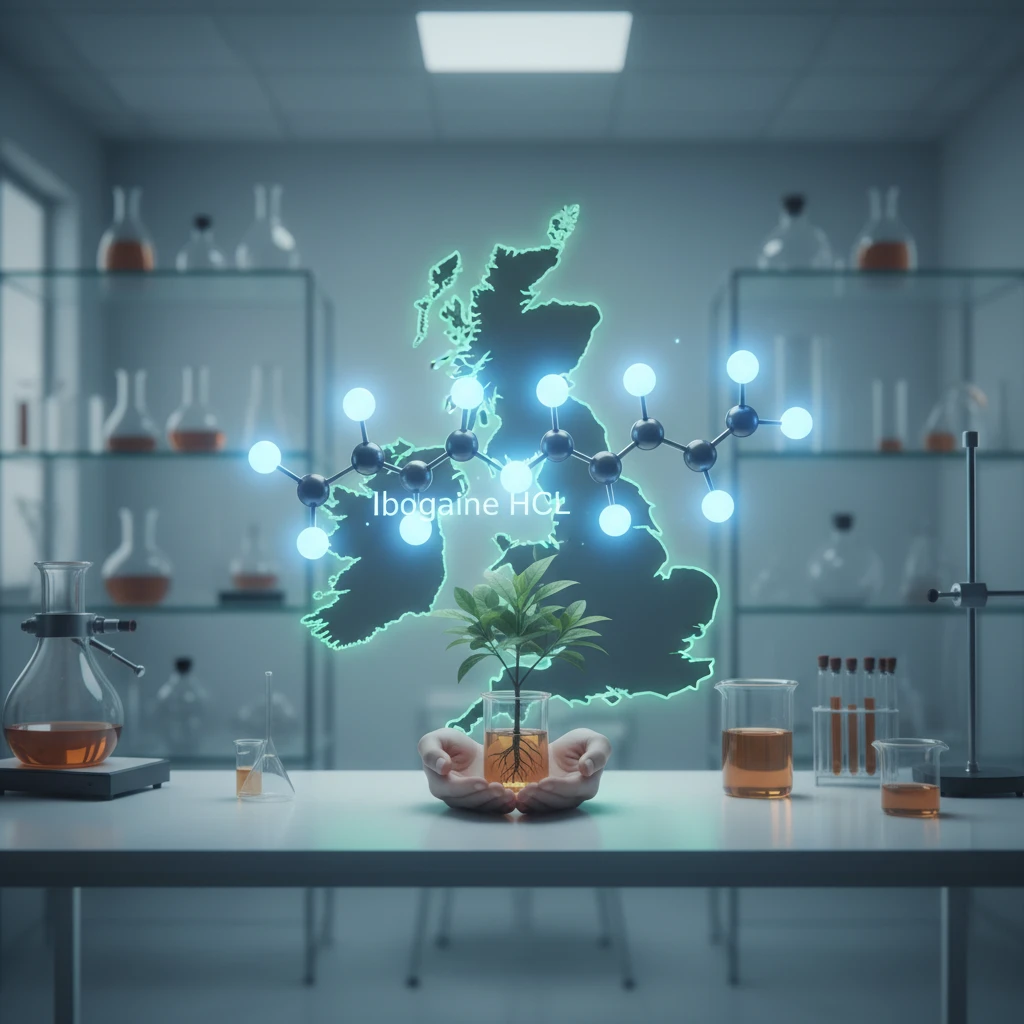
The origin and chemical structure of Ibogaine HCl
Ibogaine HCl is a naturally occurring psychoactive indole alkaloid derived from the *Tabernanthe iboga* plant, a shrub native to West Central Africa. For centuries, the Bwiti religion of Gabon has used preparations from the *Tabernanthe iboga* root bark in spiritual ceremonies and initiation rituals. The chemical structure of Ibogaine HCl is complex, featuring a tetracyclic indole ring system with a unique ethyl group at the 2-position. This specific molecular structure is crucial to its pharmacological activity. Ibogaine HCl is typically synthesized from Ibogaine base by reacting it with hydrochloric acid, resulting in a hydrochloride salt form that is more soluble in water and therefore easier to administer. The purification and standardization of Ibogaine HCl are essential for ensuring consistent dosage and minimizing the risk of adverse effects. The substance is typically found in crystalline form, which allows for accurate measurement and dispensing during treatments. Due to the plant’s cultural significance and ethical harvesting concerns, responsible sourcing and sustainable practices are paramount.
The neurochemical mechanisms of Ibogaine: a simplified explanation
Ibogaine’s mechanism of action is complex and not fully understood, but it is believed to involve multiple neurochemical pathways in the brain. It is not a simple “cure” but rather a powerful tool that can facilitate a profound shift in consciousness and break the cycle of addiction. One key aspect of its action is its ability to interrupt the reward pathways in the brain that are hijacked by addictive substances. Addictive substances create surges of dopamine, a neurotransmitter associated with pleasure and reward, which reinforces the addictive behavior. Ibogaine appears to reset these pathways, reducing cravings and withdrawal symptoms. Additionally, Ibogaine interacts with various receptor sites, including opioid, serotonin, and dopamine receptors, contributing to its multifaceted effects. Its metabolite, noribogaine, has a longer half-life than Ibogaine and is thought to play a significant role in sustaining the anti-addictive effects for an extended period. Understanding these mechanisms is vital for optimizing the therapeutic potential of Ibogaine while minimizing potential risks.
Ibogaine’s effects on dopamine, serotonin, and opiate receptors
Ibogaine exerts its effects on addiction through its complex interactions with several neurotransmitter systems, particularly those involving dopamine, serotonin, and opioid receptors. On the dopaminergic system, Ibogaine can both block and stimulate dopamine release, depending on the specific brain region and dose. This modulation may contribute to its ability to disrupt the reward pathways associated with addiction, reducing the intense cravings that drive substance abuse. In the serotonergic system, Ibogaine interacts with multiple serotonin receptor subtypes, including 5-HT2A and 5-HT2C receptors. These interactions may play a role in Ibogaine’s psychoactive effects and its potential to promote introspection and emotional processing. With regards to opioid receptors, Ibogaine acts as a weak kappa-opioid receptor agonist, which can help to alleviate withdrawal symptoms associated with opioid dependence. Importantly, Ibogaine also has anti-inflammatory properties, which may help protect the brain from damage during withdrawal. The combined effects of Ibogaine on these neurotransmitter systems contribute to its unique ability to interrupt the addiction cycle and provide a window of opportunity for individuals to engage in therapy and build a foundation for long-term recovery. For example, the reduction in dopamine signaling lessens the urge to use substances, while the serotonergic effects can improve mood and reduce anxiety.
Ibogaine HCl for Addiction Treatment: A Comprehensive Overview
Specific addictions that Ibogaine HCl has shown promise in treating (opioids, alcohol, stimulants)
Ibogaine HCl has demonstrated promising results in treating a range of addictions, including opioid, alcohol, and stimulant dependencies. Its efficacy stems from its ability to interrupt the reward pathways in the brain and reduce withdrawal symptoms, providing a window of opportunity for individuals to engage in therapeutic interventions. In the context of opioid addiction, Ibogaine has been shown to significantly reduce or eliminate withdrawal symptoms, such as nausea, vomiting, muscle aches, and anxiety, making the detoxification process more manageable. For alcohol dependence, Ibogaine can help to reduce cravings and prevent relapse, allowing individuals to maintain sobriety. In the treatment of stimulant addictions, such as cocaine and methamphetamine, Ibogaine has been reported to reduce cravings and improve cognitive function. While research is ongoing, clinical observations and anecdotal evidence suggest that Ibogaine can be a valuable tool in the fight against addiction, particularly when integrated with comprehensive aftercare and support. Note that the potential for success is higher when combined with cognitive therapies after the initial detoxification process. It is not, however, a guaranteed cure and requires commitment from the individual.
The Ibogaine ‘reset’ and its impact on cravings and withdrawal symptoms
The term “Ibogaine reset” refers to the profound psycho-spiritual experience that many individuals report during and after Ibogaine treatment. This experience often involves vivid visual imagery, emotional processing, and a sense of deep introspection. The “reset” is thought to involve a reorganization of neural pathways in the brain, leading to a reduction in cravings and withdrawal symptoms. While the exact mechanisms underlying this phenomenon are not fully understood, it is believed that Ibogaine’s interaction with multiple neurotransmitter systems, including dopamine, serotonin, and opioid receptors, plays a crucial role. The experience can provide individuals with a new perspective on their addiction, helping them to understand the underlying causes and develop a greater sense of self-awareness. Furthermore, the reduction in cravings and withdrawal symptoms allows individuals to focus on therapy and develop coping mechanisms for managing triggers and preventing relapse. The Ibogaine experience should be viewed as a catalyst for change, providing individuals with the opportunity to rebuild their lives and pursue a path of long-term recovery. This window of opportunity is maximized when followed by targeted therapy and continuous support.
Integrating Ibogaine therapy with traditional addiction support
The integration of Ibogaine therapy with traditional addiction support is crucial for maximizing the potential for long-term recovery. Ibogaine treatment is not a standalone solution but rather a powerful tool that can facilitate the recovery process when combined with comprehensive aftercare and support. Traditional addiction support typically includes individual therapy, group therapy, family therapy, and support groups like Narcotics Anonymous (NA) or Alcoholics Anonymous (AA). These modalities can help individuals to address the underlying psychological and emotional issues that contribute to addiction, develop coping mechanisms for managing triggers and preventing relapse, and build a strong support network. Integrating Ibogaine therapy with traditional support involves working with a multidisciplinary team of professionals, including physicians, therapists, and addiction counselors. The team should develop a personalized treatment plan that addresses the individual’s specific needs and goals. For example, individuals may benefit from cognitive behavioral therapy (CBT) to address negative thought patterns and behaviors, or from mindfulness-based practices to enhance self-awareness and emotional regulation. It’s important to establish a clear aftercare plan *before* undergoing Ibogaine treatment, ensuring continuity of care and support following the initial detox and introspective phase. This holistic approach to addiction treatment can significantly increase the likelihood of achieving sustained recovery.
Is Ibogaine HCl Legal in the UK? Navigating the Regulatory Landscape
The current legal status of Ibogaine in the United Kingdom (as of March 2026)
As of March 2026, Ibogaine HCl is not a controlled substance in the United Kingdom. This means that it is not explicitly illegal to possess or use Ibogaine. However, it is not a licensed medicine either, which creates a complex legal landscape. The Medicines and Healthcare products Regulatory Agency (MHRA) has not approved Ibogaine for any medical use. Therefore, prescribing or supplying Ibogaine as a medicine is unlawful under the Medicines Act 1968. This regulatory gap means that Ibogaine is often accessed through alternative channels, such as private clinics or overseas treatment centers. The lack of regulation raises concerns about the safety and quality of Ibogaine treatment, as there are no established standards for dosage, administration, or aftercare. Individuals considering Ibogaine treatment in the UK should be aware of the legal uncertainties and potential risks involved. It is recommended to consult with a legal professional and a qualified healthcare provider to fully understand the legal implications and potential risks before pursuing Ibogaine treatment. Furthermore, always verify the credentials and experience of any practitioner or clinic offering Ibogaine treatment.
Importing Ibogaine HCl: rules and potential legal issues
Importing Ibogaine HCl into the UK for personal use presents a number of legal and practical challenges. While the substance itself is not controlled, importing it as an unlicensed medicine is subject to restrictions under the Medicines Act 1968 and related regulations. UK customs officials have the authority to seize shipments of Ibogaine if they suspect that it is being imported for medicinal purposes without the necessary licenses or authorizations. Individuals attempting to import Ibogaine may face legal consequences, including fines and prosecution. Furthermore, the quality and purity of Ibogaine purchased from unregulated sources are often questionable, posing a significant risk to health and safety. To import a medicine legally, one generally needs a prescription from a UK-registered doctor and authorization from the MHRA. However, given that Ibogaine is not a licensed medicine in the UK, obtaining such authorization is highly unlikely. Therefore, importing Ibogaine HCl into the UK is generally not advisable due to the legal risks and potential health hazards involved. Consider instead finding legitimate sources for Buy Ibogaine Capsules.
Finding qualified practitioners and navigating ethical considerations
Finding qualified practitioners and navigating ethical considerations are paramount when considering Ibogaine treatment, particularly given its unregulated status in the UK. Due to the lack of formal regulation, there are no officially recognized standards for Ibogaine practitioners. Therefore, it is crucial to conduct thorough research and due diligence to ensure that any practitioner or clinic offering Ibogaine treatment is qualified, experienced, and adheres to ethical guidelines. Important considerations include the practitioner’s medical qualifications, experience in treating addiction, knowledge of Ibogaine pharmacology and safety protocols, and commitment to providing comprehensive aftercare and support. It is also essential to inquire about the clinic’s emergency procedures and access to medical facilities. Ethical considerations include transparency about the potential risks and benefits of Ibogaine treatment, obtaining informed consent from clients, and protecting their privacy and confidentiality. Practitioners should also avoid making exaggerated claims or guaranteeing specific outcomes. Furthermore, it is important to ensure that the Ibogaine being used is of high quality and purity, and that it is administered in a safe and controlled environment. Given the complexities and potential risks involved, it is advisable to seek advice from a qualified healthcare professional before undergoing Ibogaine treatment. The Ibogaine Association provides resources for finding practitioners adhering to safety guidelines [1 Ibogaine Alliance]. Consulting medical experts is also advised when researching Ibogaine treatment [2 NHS]. For more information on addiction treatment options and considerations in the UK, you can also refer to UK Addiction Treatment Centres (UKAT).
Preparing for Ibogaine HCl Treatment: A Step-by-Step Guide
Medical screening and psychological assessment
Before embarking on ibogaine for addiction treatment, a comprehensive medical screening is crucial. This typically includes blood tests (liver function, kidney function, complete blood count), an electrocardiogram (ECG) to assess heart health, and a physical examination. The purpose is to identify any pre-existing conditions that could pose risks during treatment. Contraindications for ibogaine HCl treatment include significant cardiovascular disease, severe liver or kidney impairment, and certain psychiatric conditions like active psychosis. A psychological assessment is equally important. This evaluates the individual’s mental state, readiness for therapy, and understanding of the ibogaine experience. The assessment helps determine if ibogaine is a suitable option and informs the development of a personalized treatment plan. Individuals should be prepared to be honest and open about their addiction history, mental health challenges, and personal goals for recovery. The combined medical and psychological evaluation acts as a critical filter, ensuring that only suitable candidates proceed with the treatment, minimizing potential risks, and maximizing the chances of a successful outcome.
Dietary and lifestyle adjustments before treatment
Preparing the body for ibogaine HCl treatment involves making strategic dietary and lifestyle adjustments in the weeks leading up to the experience. This may involve adopting a healthier diet, focusing on nutrient-rich foods like fruits, vegetables, and lean proteins. Processed foods, sugary drinks, and excessive caffeine intake should be minimized or eliminated. Hydration is key; drinking plenty of water helps optimize bodily functions. Lifestyle adjustments should include avoiding alcohol and recreational drugs for a designated period before treatment, typically several weeks, to minimize potential interactions and enhance the ibogaine’s effectiveness. Light to moderate exercise can also be beneficial, improving overall physical and mental well-being. Furthermore, consider incorporating mindfulness practices or meditation to cultivate a sense of calm and prepare mentally for the experience. These pre-treatment adjustments not only reduce the risk of complications but also enhance the individual’s receptivity to the healing potential of ibogaine. A healthy foundation supports a smoother and more positive treatment journey.
Setting realistic expectations and building a support network
Managing expectations is critical for a successful ibogaine HCl treatment experience. It is important to understand that ibogaine is not a “magic bullet” but a powerful tool that can facilitate the recovery process. While ibogaine can significantly reduce withdrawal symptoms and provide psychological insights, sustained recovery requires commitment to aftercare and lifestyle changes. Researching testimonials and understanding the potential challenges (e.g., emotional processing, temporary physical discomfort) can help prepare individuals for the treatment. Building a strong support network is equally vital. This network may include family members, friends, therapists, or support groups. Sharing your intentions with trusted individuals and enlisting their support can provide encouragement during and after the treatment. Connecting with others who have undergone similar experiences can offer valuable insights and a sense of community. A robust support system acts as a safety net, helping individuals navigate the challenges of recovery and maintain long-term sobriety. For example, “Example: John, a 35-year-old recovering opioid addict, spent weeks connecting with other individuals in recovery forums before his ibogaine treatment. This network was crucial in helping him manage cravings and stay motivated during aftercare, resulting in 18 months of sobriety”.
The Ibogaine HCl Treatment Experience: What to Expect
The administration process and dosage guidelines
Ibogaine HCl administration typically occurs in a controlled medical setting, such as a specialized clinic or treatment center. The process begins with a period of observation and stabilization to ensure the individual is medically fit for treatment. Before administration, vital signs (heart rate, blood pressure, oxygen saturation) are closely monitored. Ibogaine HCl is usually administered orally, either in capsule form or as a powder mixed with water. Dosage guidelines vary depending on individual factors such as weight, medical history, addiction severity, and sensitivity to the substance. A qualified medical professional will determine the appropriate dosage based on a thorough assessment. The initial dose is often a test dose to assess the individual’s reaction. Subsequent doses are administered gradually, closely monitoring vital signs and psychological responses. The entire process typically takes place over a period of 24-36 hours. During this time, the individual remains under close medical supervision to ensure safety and manage any potential side effects. After the acute phase of the treatment, a period of observation and stabilization follows to allow the individual to recover and prepare for aftercare.
Common physical and psychological effects during treatment
During ibogaine HCl treatment, individuals can expect a range of physical and psychological effects. Physically, common effects include nausea, vomiting, ataxia (loss of coordination), bradycardia (slow heart rate), and changes in body temperature. These effects are generally temporary and manageable with medical support. Psychologically, individuals often experience vivid visual and auditory hallucinations, which can be intense and emotionally charged. These visions may involve past memories, personal insights, and spiritual experiences. Ibogaine is known to induce a state of deep introspection, allowing individuals to confront underlying traumas and emotional issues. This process can be challenging but also transformative, providing a new perspective on their addiction and life. Some individuals report feelings of anxiety, fear, or confusion during the experience. It is essential to have a supportive and experienced team present to guide individuals through these challenging moments and provide reassurance. The intensity and nature of these effects vary from person to person, highlighting the importance of personalized care and close monitoring throughout the treatment. Proper preparation and understanding can help individuals navigate these effects with greater ease and maximize the therapeutic benefits of ibogaine.
Managing potential side effects and ensuring patient safety
Managing potential side effects is paramount during ibogaine HCl treatment. Continuous monitoring of vital signs (heart rate, blood pressure, ECG) is essential to detect and address any adverse reactions promptly. Medical staff should be trained to manage common side effects such as nausea, vomiting, and anxiety. Medications may be administered to alleviate these symptoms if necessary. In rare cases, more serious complications like cardiac arrhythmias can occur. Immediate access to advanced cardiac life support equipment and trained personnel is crucial. Psychological support is equally important. Therapists and counselors should be available to provide emotional support and guidance throughout the treatment, helping individuals process their experiences and manage any psychological distress. Patient safety protocols should include clear communication channels between medical staff, therapists, and the individual being treated. Regular assessments of the individual’s mental and physical state are essential to ensure their well-being. By implementing these comprehensive safety measures, the risks associated with ibogaine treatment can be minimized, and the potential benefits can be maximized. For example, “Example: A treatment center in Costa Rica reported a near-incident of prolonged QT interval during ibogaine treatment in 2024. Immediate intervention and medication adjustments prevented any long-term harm to the patient, highlighting the need for stringent monitoring protocols”.
After Ibogaine: Maintaining Recovery and Preventing Relapse
The importance of aftercare and integration therapy
Ibogaine HCl treatment serves as a powerful catalyst for recovery, but lasting sobriety hinges on comprehensive aftercare and integration therapy. The acute effects of ibogaine, while significant, are only the beginning of a longer journey. Aftercare typically involves a structured program of therapy, counseling, and support group participation designed to reinforce the insights gained during the ibogaine experience and address any remaining underlying issues. Integration therapy is a specialized form of psychotherapy that helps individuals process and integrate the often-intense and transformative experiences that occur during ibogaine treatment. This may involve exploring the visions, emotions, and insights that emerged during the treatment and applying them to real-life situations. Without adequate aftercare and integration, individuals are at higher risk of relapse. The transition from the controlled environment of a treatment center to everyday life can be challenging, and ongoing support is crucial for navigating these challenges and maintaining long-term recovery. Aftercare also provides a structured environment to build coping mechanisms and identify potential triggers, leading to a more sustainable recovery process. It is paramount to choose aftercare programs that are tailored to the specific needs of the individual and that incorporate evidence-based practices such as cognitive-behavioral therapy (CBT) and motivational interviewing.
Building coping mechanisms and relapse prevention strategies
Developing effective coping mechanisms and relapse prevention strategies is essential for maintaining long-term sobriety following ibogaine HCl treatment. Coping mechanisms are techniques and strategies that individuals can use to manage cravings, stress, and other triggers that can lead to relapse. These may include mindfulness practices, exercise, journaling, and engaging in hobbies or creative activities. Relapse prevention strategies involve identifying high-risk situations and developing plans for avoiding or managing them. This may include avoiding certain people, places, or activities that are associated with past drug use. Developing a strong support network is also a crucial relapse prevention strategy. Connecting with others in recovery, attending support group meetings, and seeking help from a therapist or counselor can provide valuable support and encouragement. It is also important to develop a plan for managing cravings. This may involve using distraction techniques, practicing relaxation exercises, or reaching out to a support person. By proactively building coping mechanisms and relapse prevention strategies, individuals can significantly increase their chances of maintaining long-term recovery. Regular check-ins with a therapist or counselor can help reinforce these strategies and address any emerging challenges. For example, “Example: Sarah, a former heroin user, successfully maintained her sobriety for 3 years after ibogaine treatment by consistently attending Narcotics Anonymous meetings and practicing daily meditation, despite facing significant family stress.”
Long-term support groups and community resources
Sustained recovery following ibogaine HCl treatment requires ongoing support and connection. Long-term support groups, such as Narcotics Anonymous (NA) and Alcoholics Anonymous (AA), provide a safe and supportive environment for individuals to share their experiences, receive encouragement, and learn from others in recovery. These groups offer a sense of community and belonging, which can be especially valuable during the challenging times of early recovery. In addition to support groups, a variety of community resources can provide assistance with housing, employment, and other practical needs. These resources may include vocational training programs, job placement services, and transitional housing facilities. Connecting with these resources can help individuals rebuild their lives and create a stable foundation for long-term recovery. Online forums and support groups can also provide a valuable source of information and connection. These platforms allow individuals to connect with others from around the world who have similar experiences and can offer support and encouragement. It is important to research and choose support groups and community resources that are aligned with the individual’s values and goals. A strong and supportive community can provide the encouragement and resources needed to maintain long-term sobriety and lead a fulfilling life.
BuyIboga.co.uk: Your Trusted Source for High-Quality Ibogaine HCl Products
Quality assurance and sourcing practices for our Ibogaine HCl
At BuyIboga.co.uk, we prioritize quality assurance and ethical sourcing in every step of our Ibogaine HCl production. We work directly with trusted suppliers who adhere to strict ethical and sustainable harvesting practices. Our Ibogaine HCl is extracted from *Tabernanthe iboga* root bark sourced from regions where harvesting is conducted with respect for the environment and local communities. Each batch of root bark undergoes rigorous testing to ensure it meets our stringent quality standards. Our extraction process utilizes state-of-the-art technology to maximize purity and potency while minimizing the risk of contaminants. We adhere to Good Manufacturing Practices (GMP) throughout our production process, ensuring consistency and safety. Independent third-party laboratories conduct comprehensive testing on our Ibogaine HCl to verify its purity, potency, and absence of heavy metals, pesticides, and other harmful substances. We are committed to transparency and provide Certificates of Analysis (COAs) for each batch of our products, allowing customers to verify the quality and authenticity of our Ibogaine HCl. We believe that quality assurance is paramount to providing safe and effective products to our customers.
Product information: purity, potency, and dosage recommendations
Our Ibogaine HCl products are meticulously tested to ensure high purity and consistent potency. Each batch undergoes rigorous laboratory analysis to confirm a minimum purity level of 98%. We provide detailed product information, including the percentage of Ibogaine HCl present in each capsule or gram of powder, allowing customers to make informed decisions about dosage. Dosage recommendations vary depending on individual factors such as weight, medical history, addiction severity, and sensitivity to the substance. We strongly recommend consulting with a qualified medical professional or experienced ibogaine provider to determine the appropriate dosage for your specific needs. Our website provides general dosage guidelines, but these should not be considered a substitute for professional medical advice. It is crucial to start with a low dose and gradually increase it under medical supervision to assess your tolerance and minimize the risk of adverse effects. We offer Ibogaine HCl in various forms, including capsules and powder, to accommodate different preferences and administration methods. Our product packaging is designed to protect the integrity of the Ibogaine HCl and ensure its potency and stability over time. We are committed to providing clear and accurate product information to help our customers use our products safely and effectively. For example, “Ibogaine Capsules: Your UK Wellness Journey Starts Here: Consider the benefits of Ibogaine capsules.”
Safe and discreet delivery options to the UK
We understand the importance of privacy and discretion when purchasing Ibogaine HCl products. At BuyIboga.co.uk, we offer safe and discreet delivery options to customers throughout the UK. All orders are packaged in plain, unmarked boxes to protect your privacy. We use reputable courier services that provide tracking information, allowing you to monitor the progress of your shipment. Our delivery process is designed to minimize the risk of delays or customs issues. We handle all necessary paperwork and ensure that our shipments comply with all applicable regulations. We offer a range of delivery options, including standard and express shipping, to accommodate different needs and preferences. Our customer service team is available to answer any questions you may have about our delivery process or to assist with tracking your order. We are committed to providing a seamless and hassle-free delivery experience. Your order will be processed promptly and shipped within 24-48 hours of payment confirmation. We take extra precautions to ensure that your package arrives safely and discreetly at your doorstep. At Buy Ibogaine HCl: Safe & Discreet UK Delivery, we prioritize your privacy and safety above all else.
Understanding Iboga TA vs. Ibogaine HCl: What’s the Difference?
Chemical composition and potency comparison
Iboga Total Alkaloid (TA) extract and Ibogaine HCl are both derived from the Tabernanthe iboga plant, but they differ significantly in their chemical composition and potency. Iboga TA contains a spectrum of alkaloids naturally present in the root bark, including ibogaine, ibogamine, ibogaline, and other minor alkaloids. This creates a more holistic effect, sometimes described as gentler and more integrated. Ibogaine HCl, on the other hand, is an isolated and purified form of the ibogaine alkaloid. This means it delivers a more concentrated and predictable dose of the primary psychoactive compound. Potency-wise, Ibogaine HCl is significantly stronger per unit weight than Iboga TA. For example, a typical flood dose of Ibogaine HCl for addiction treatment might range from 12-20mg/kg of body weight, while the equivalent dose using Iboga TA would require a substantially larger quantity to achieve a similar level of ibogaine intake.
Pros and cons of using Iboga TA versus Ibogaine HCl
Iboga TA offers several potential benefits. Some users report a more grounded and less intense experience due to the presence of multiple alkaloids working synergistically. It’s also perceived by some as being closer to the traditional, indigenous use of the plant. However, the variability in alkaloid content from batch to batch can make dosing less precise. Ibogaine HCl provides a consistent and predictable dosage, which is crucial in a clinical setting where precise control is necessary. This allows for more targeted treatment and easier monitoring of effects. However, some individuals may find the experience with isolated Ibogaine HCl to be more intense and less integrated than with Iboga TA. The isolated form may also be more prone to causing anxiety in some individuals. The choice between the two often comes down to individual sensitivity, treatment goals, and the level of control required during the process. Before making a decision, consulting with experienced professionals who can assess individual needs is paramount.
Which form is right for your specific needs?
Deciding between Iboga TA and Ibogaine HCl hinges on several factors. If you’re seeking a more traditional and holistic experience with potentially gentler effects, Iboga TA might be preferable. This can be suitable for those who are sensitive to medications or prefer a natural approach. Example: An individual seeking spiritual exploration alongside mild addiction support might choose Iboga TA capsules. However, for those requiring precise dosing, such as in a medically supervised addiction treatment program, Ibogaine HCl is generally the better choice. This allows healthcare providers to carefully manage the dosage and monitor the patient’s response. Consider any underlying health conditions, medications you’re currently taking, and your personal preferences regarding intensity and duration of effects. It’s critical to consult with a qualified medical professional experienced in ibogaine therapy to discuss your specific needs and determine the most appropriate form and dosage. They can assess your cardiovascular health, mental health, and potential drug interactions to ensure your safety and optimize the effectiveness of the treatment. Learn more about safe practices when you Buy Ibogaine HCl.
Real-Life Success Stories: Testimonials from Ibogaine Users in the UK
Anonymized case studies showcasing positive outcomes
While respecting privacy, we can share anonymized case studies illustrating the potential benefits of ibogaine treatment. Example: Sarah, a 35-year-old from Manchester, struggled with opioid addiction for over a decade. After a carefully monitored Ibogaine HCl treatment at a private clinic, combined with therapy, she reported a significant reduction in cravings and withdrawal symptoms. Six months later, she remains in recovery, attending support groups and focusing on her career. Example: David, a 48-year-old from London, had been battling severe depression and anxiety for years. Traditional treatments offered limited relief. Following a series of Ibogaine TA microdoses, under the guidance of a holistic practitioner, he experienced a profound shift in perspective and a reduction in his symptoms. He now reports a greater sense of emotional well-being and improved relationships. These examples underscore the importance of comprehensive aftercare and integration to sustain the positive effects of the treatment.
The impact of Ibogaine on individuals and their families
The impact of ibogaine extends far beyond the individual, often positively affecting their families and communities. Addiction and mental health issues strain relationships, create financial burdens, and cause immense emotional distress. When an individual successfully undergoes ibogaine treatment and achieves lasting recovery, it can lead to renewed trust, improved communication, and a more stable and supportive family environment. Example: Consider a family where the father struggled with alcohol addiction for years. His ibogaine treatment not only helped him break free from the addiction but also enabled him to rebuild his relationship with his children, find stable employment, and contribute positively to his community. This transformation can inspire hope and encourage others facing similar challenges to seek help.
Addressing common concerns and misconceptions through personal experiences
Many misconceptions surround ibogaine treatment, often fueled by lack of accurate information and sensationalized media reports. Some common concerns include the safety of the treatment, the potential for adverse side effects, and the long-term effectiveness. Personal experiences shared by individuals who have undergone ibogaine treatment can help dispel these misconceptions and provide a more realistic understanding of the process. Example: One common misconception is that ibogaine is a “magic bullet” that instantly cures addiction. However, personal accounts often emphasize the importance of ongoing therapy, lifestyle changes, and support groups in maintaining long-term recovery. Testimonials also highlight the importance of careful medical screening and monitoring to minimize the risk of adverse side effects. Hearing directly from individuals who have navigated these challenges can provide reassurance and empower others to make informed decisions about their own treatment options.
Risks and Precautions: Essential Safety Information about Ibogaine HCl
Contraindications: who should NOT take Ibogaine
Ibogaine HCl is a powerful substance and is not suitable for everyone. Several contraindications must be carefully considered before undergoing treatment. Individuals with pre-existing heart conditions, such as arrhythmias, long QT syndrome, or recent heart attack, should absolutely avoid ibogaine due to the risk of potentially life-threatening cardiac complications. Ibogaine can prolong the QT interval, increasing the risk of torsades de pointes, a dangerous heart rhythm. People with significant liver or kidney disease should also avoid ibogaine, as these organs are responsible for metabolizing and eliminating the drug from the body. Impaired liver or kidney function can lead to a build-up of ibogaine in the system, increasing the risk of toxicity. Furthermore, individuals with a history of psychosis or severe mental illness should exercise extreme caution, as ibogaine can potentially exacerbate these conditions. A thorough medical and psychological evaluation is essential to identify any contraindications and ensure patient safety.
Potential drug interactions and health complications
Ibogaine can interact with a wide range of medications, potentially leading to serious health complications. It is crucial to disclose all medications, including prescription drugs, over-the-counter remedies, and herbal supplements, to your healthcare provider before undergoing ibogaine treatment. Certain antidepressants, particularly selective serotonin reuptake inhibitors (SSRIs), can interact with ibogaine, increasing the risk of serotonin syndrome, a potentially life-threatening condition characterized


About author

Add comment